Originaltexte

Mawangdui Laozi A

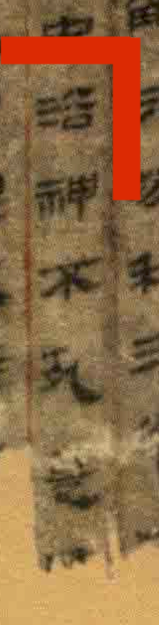
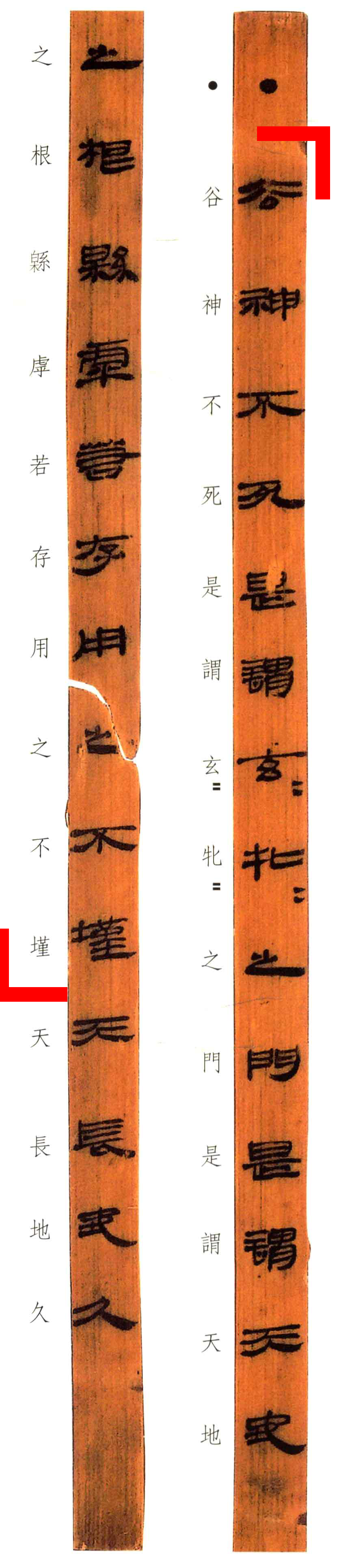
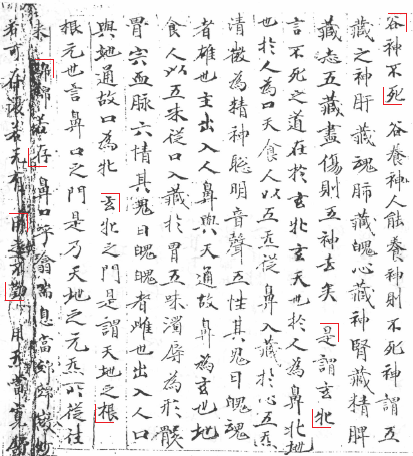
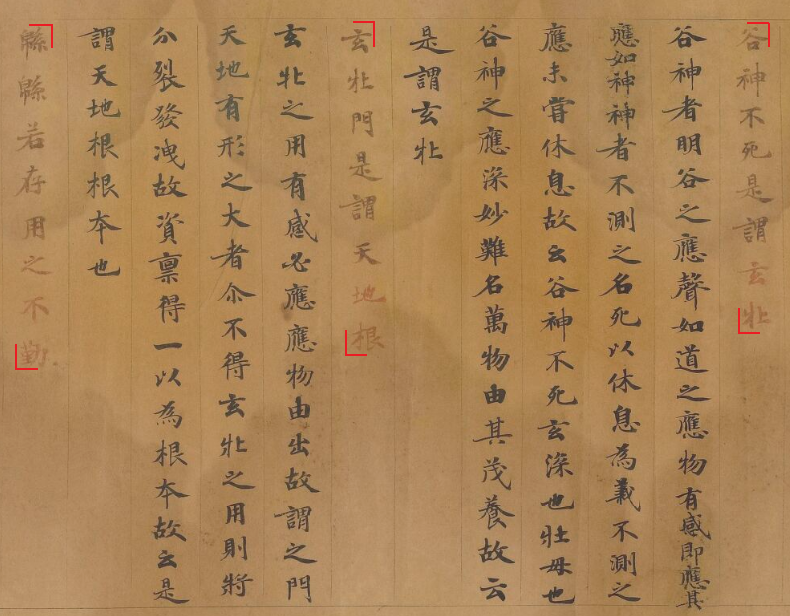
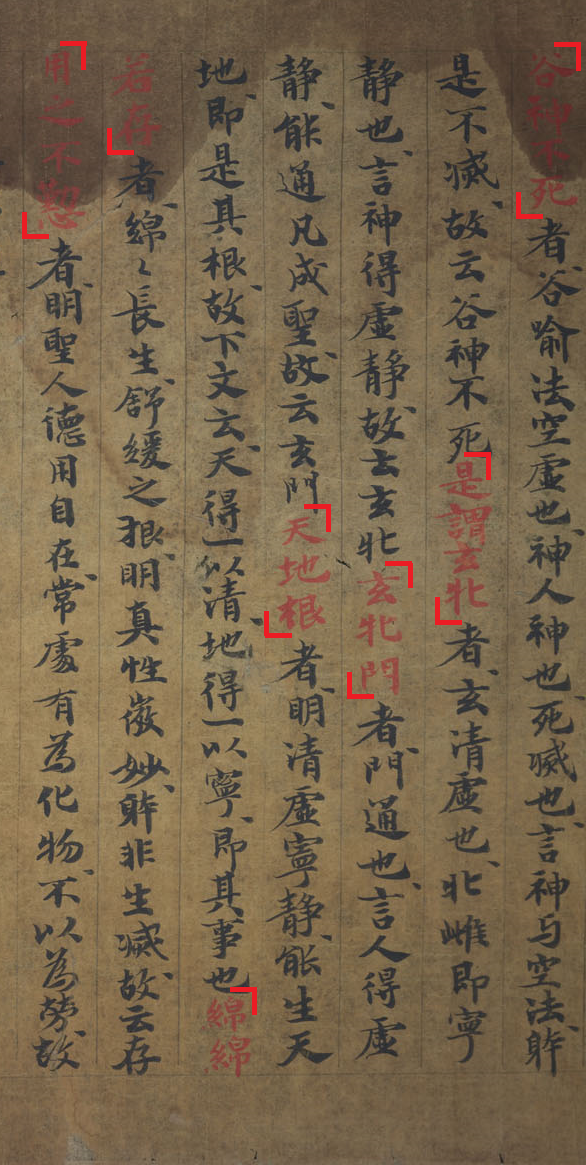
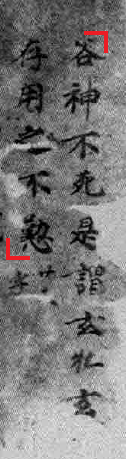
浴神□死,是胃玄牝。玄牝之門,是胃□地之根。縣縣呵若存,用之不堇。

Mawangdui Laozi B

浴神不死,是胃玄牝。玄牝之門,是胃天地之根。縣縣呵其若存,用之不堇。

Wang Bi

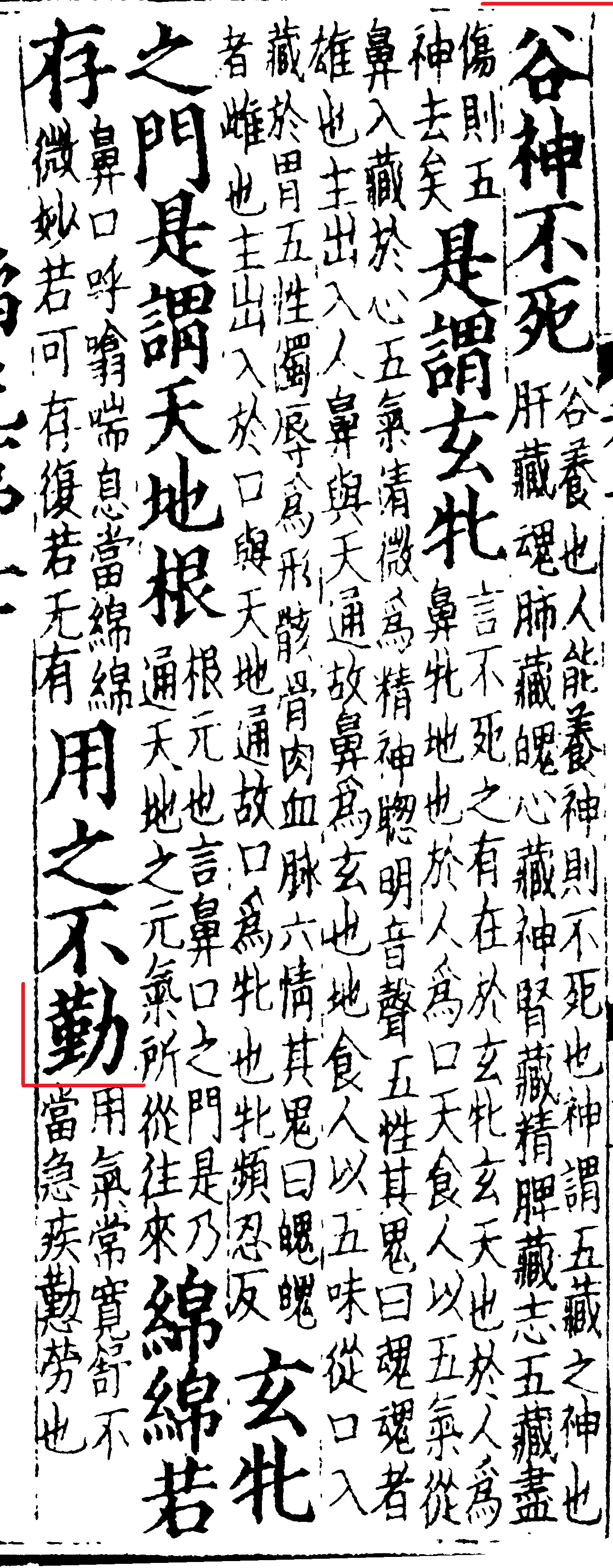
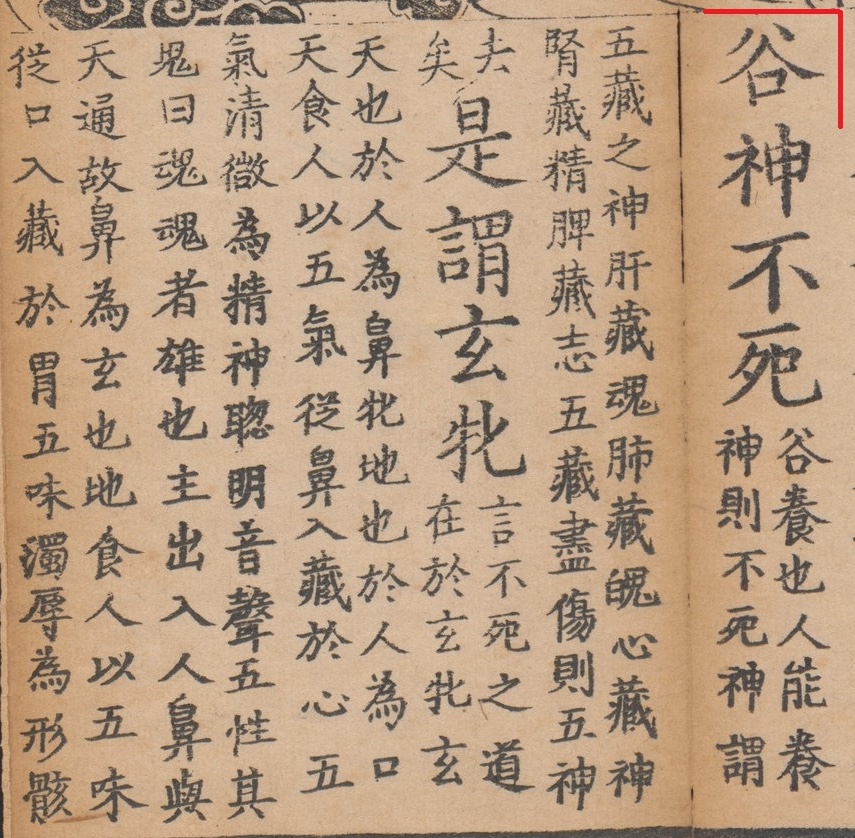
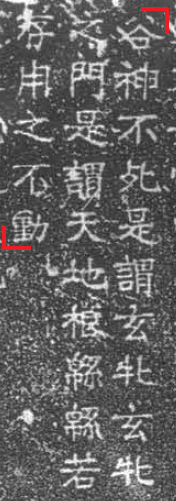
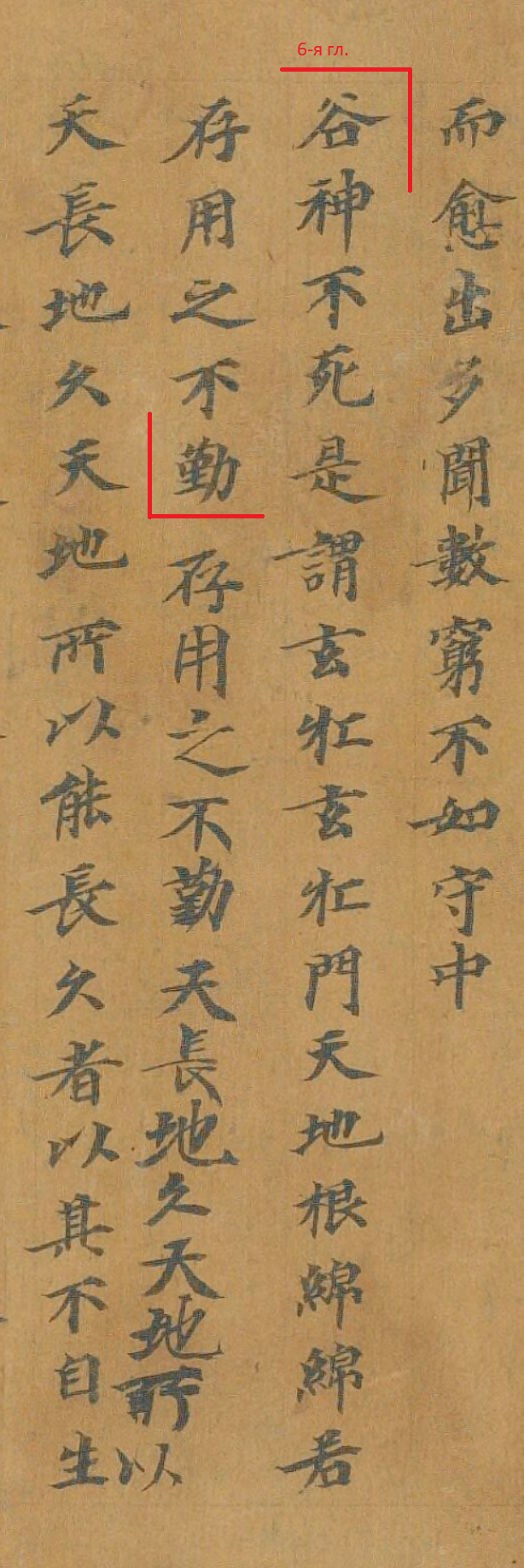
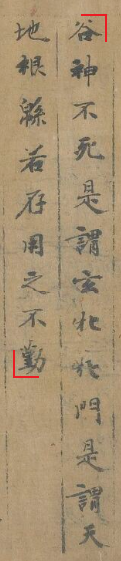
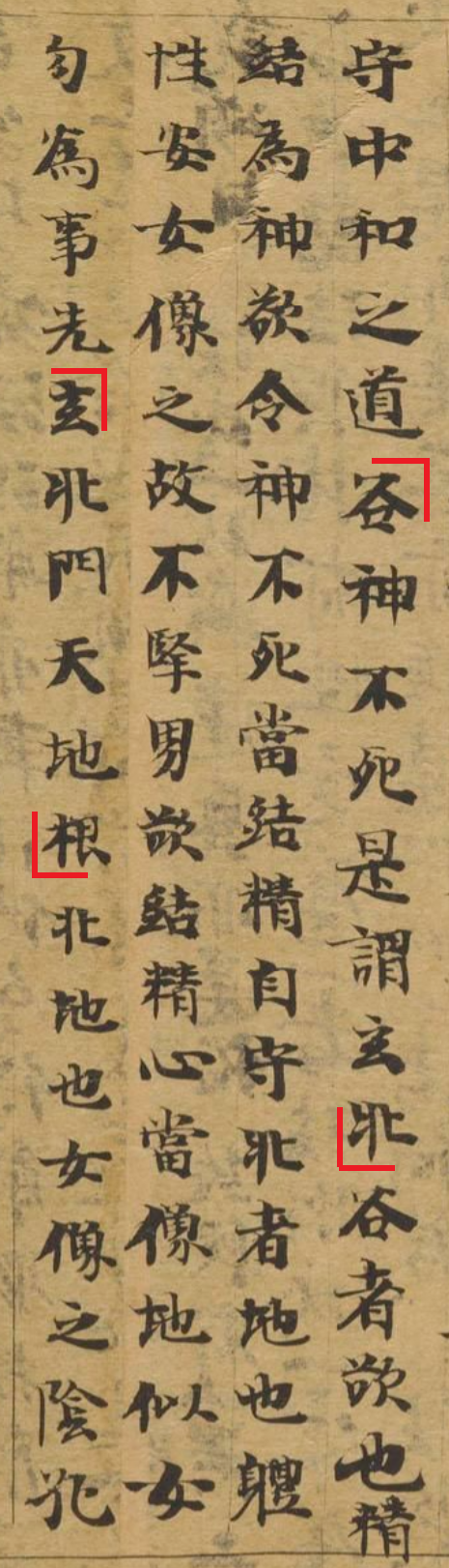
谷神不死,是謂玄牝。玄牝之門,是謂天地根。綿綿若存,用之不勤。

Übersetzungen

Reinhold von Plaenckner (1870)

Der Geist der Tiefe (s. IV) ist unsterblich. Er ist es, den man die unergründliche und ewig schaffende Kraft der Natur — die Mutter der Natur nennt. Der Urbeginn dieser unergründlichen schaffenden Kraft, das ist auch der Ursprung — der Erschaffer — Himmels und der Erde. Ewig und unvergänglich ist ihr Schaffen und Erhalten, und trotz ihrem steten Wirken wird sie nie verbraucht und bleibt ewig unversehrt.

Victor von Strauß (1870)

»Der Thal-Geist ist unsterblich; er heisst das tiefe Weibliche. Des tiefen Weiblichen Pforte, die heisst Himmels und der Erden Wurzel. Je und je ist er wie daseyend; man braucht ihn mühelos«.

Richard Wilhelm (1911)

Das Werden der Formen

Der Geist der Tiefe stirbt nicht. Das ist das Ewig-Weibliche. Des Ewig-Weiblichen Ausgangspforte Ist die Wurzel von Himmel und Erde. Endlos drängt sich's und ist doch wie beharrend. In seinem Wirken bleibt es mühelos.

Weitere Übersetzungen

Русский

Д.П. Кониси (1894)

Чистейший дух бессмертен. Он называется непостижимой матерью (самкой). Ворота непостижимой матери называются корнем неба и земли. Он (т. е. чистейший дух) будет существовать без конца. Кто хочет пользоваться им, тот не устанет.

Архим. Даниил (Сивиллов) (1828)

Дух человеческий бессмертен. Бесстрастие мудрого к земным вещам.

Простый, невещественный дух, который никогда не умирает, есть непостижимая творительная сила; а дверь, из которой выходит сия непостижимая творительная сила, есть начало, от которого произошли небо и земля. Жизнь сего духа никогда не истощается, но всегда остается в своей целости; хотя он действует, но никогда не чувствует утомления в силах.
English

Paul Carus (1913)

THE COMPLETION OF FORM.

1. "The valley spirit not expires, Mysterious woman 'tis called by the sires. The mysterious woman's door, to boot, Is called of heaven and earth the root. Forever and aye it seems to endure And its use is without effort sure."

John Chalmers (1868)

The production of material forms

The Spirit (like the perennial spring) of the valley never dies. This (Spirit) I call the Abyss-Mother. The passage of the Abyss-Mother I call the root of heaven and earth. Ceaselessly it seems to endure, and it is employed without effort.

James Legge (1891)

The Completion of Material Forms

The valley spirit dies not, aye the same; The female mystery thus do we name. Its gate, from which at first they issued forth, Is called the root from which grew heaven and earth. Long and unbroken does its power remain, Used gently, and without the touch of pain.
Français

Stanislas Julien (1842)

L’esprit de la vallée ne meurt pas ; on l’appelle la femelle mystérieuse. La porte de la femelle mystérieuse s’appelle la racine du ciel et de la terre. Il est éternel et semble exister (matériellement). Si l’on en fait usage, on n’éprouve aucune fatigue.

Léon Wieger (1913)

A. La puissance expansive transcendante qui réside dans l’espace médian, la vertu du Principe, ne meurt pas. Elle est toujours la même, et agit de même, sans diminution ni cessation. B. Elle est la mère mystérieuse de tous les êtres. C. La porte de cette mère mystérieuse, est la racine du ciel et de la terre, le Principe. D. Pullulant, elle ne dépense pas. Agissant, elle ne fatigue pas.

Verfügbare Quellen